

Microcement Trends for Cheltenham Homes
Microcement is no longer just a niche design material—it has firmly established itself as a go-to solution for modern, seamless interiors. Microcement continues to evolve with design trends that emphasise minimalism, sustainability and texture. Whether you’re building a new home or renovating an existing one, understanding the top microcement trends can help you create stylish spaces in Cheltenham. First Things First – What is Microcement? Microcement is a decorative , functional surface coating made of cement, resins, additives and mineral pigments. It’s applied in thin layers over almost any surface including floors, walls, countertops…

Why you can trust our content
At a glance
Microcement is no longer just a niche design material—it has firmly established itself as a go-to solution for modern, seamless interiors. Microcement continues to evolve with design trends that emphasise minimalism, sustainability and texture. Whether you’re building a new home or renovating an existing one, understanding the top microcement trends can help you create stylish spaces in Cheltenham.
Type of Space?
What type of space do you need Microcement for?
 Residential
 (Home / Apartment)
 Commercial
 (Business / Property)
It just takes 60 Sec
And then you can book a free consultation
First Things First – What is Microcement?
Microcement is a decorative , functional surface coating made of cement, resins, additives and mineral pigments. It’s applied in thin layers over almost any surface including floors, walls, countertops and splashbacks, and it delivers a smooth, joint-free finish. The material is durable, waterproof and incredibly versatile, making it ideal for both residential and commercial spaces.
Trend 1: Seamless Interiors
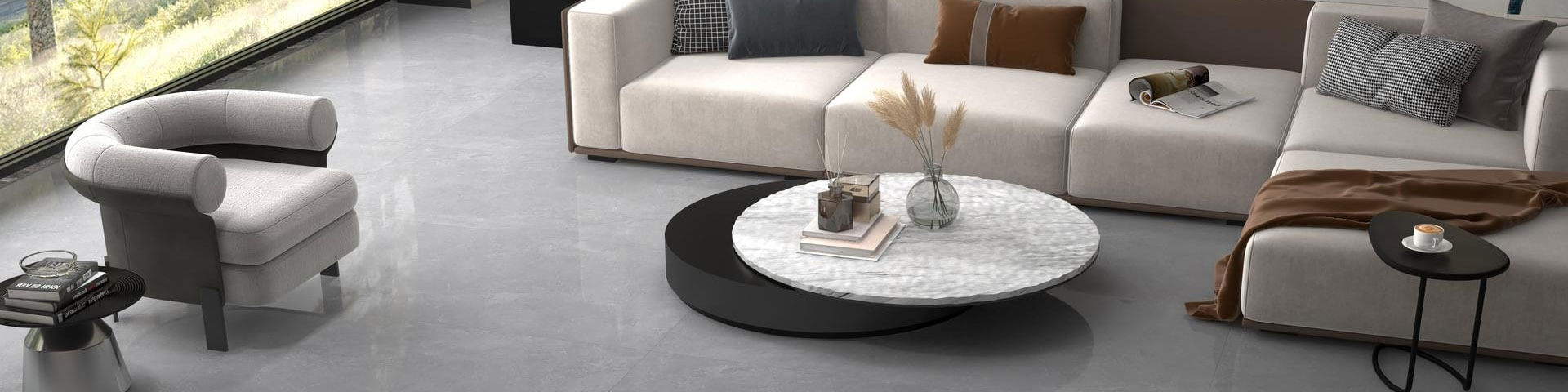
One of the biggest trends is the use of continuous, seamless finishes throughout the home. Microcement fits this perfectly, eliminating visible joints and grout lines. This trend aligns with the ongoing popularity of minimalist and Japandi interior styles, where visual calm and simplicity are central.
From floor-to-ceiling microcement bathrooms to entire living spaces done in a single tone, this trend makes small rooms feel bigger and creates a modern, luxurious ambiance.
Trend 2: Neutral, and Earthy Colour Palettes
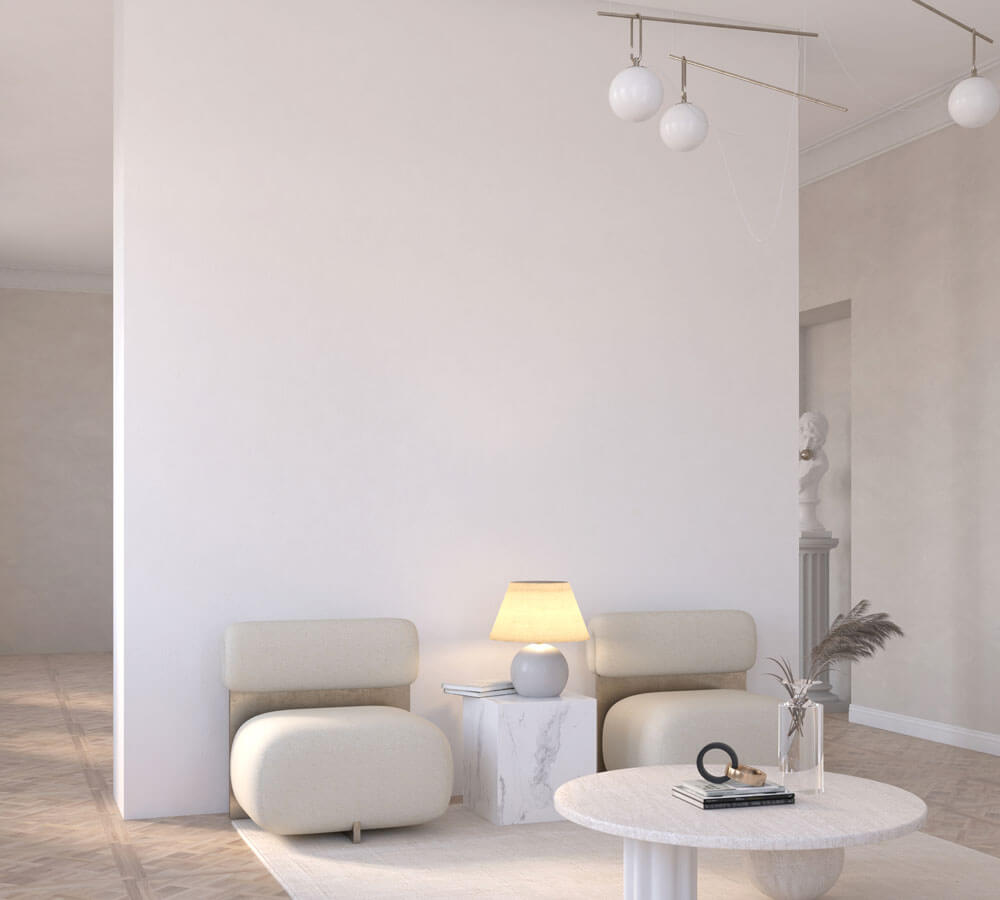
While grey remains a popular choice, we are seeing a shift toward warmer neutrals and earthy tones. Think soft beiges, sand, clay and muted terracotta. These colours work beautifully with natural wood, stone and greenery—creating interiors that feel both contemporary and comforting.
Microcement can be tinted in virtually any color, allowing homeowners to customise finishes that align with personal and trending palettes.
Trend 3: Textured Finishes
Flat, matte finishes are being complemented—or even replaced—by hand-troweled textures that add depth and tactile interest. Whether it’s a lightly brushed wall or a more rugged kitchen backsplash, texture is becoming an essential design element.
Designers are experimenting with these textured applications to play with light and shadow, giving character to what might otherwise be plain surfaces.
Trend 4: Full Integration Across Surfaces
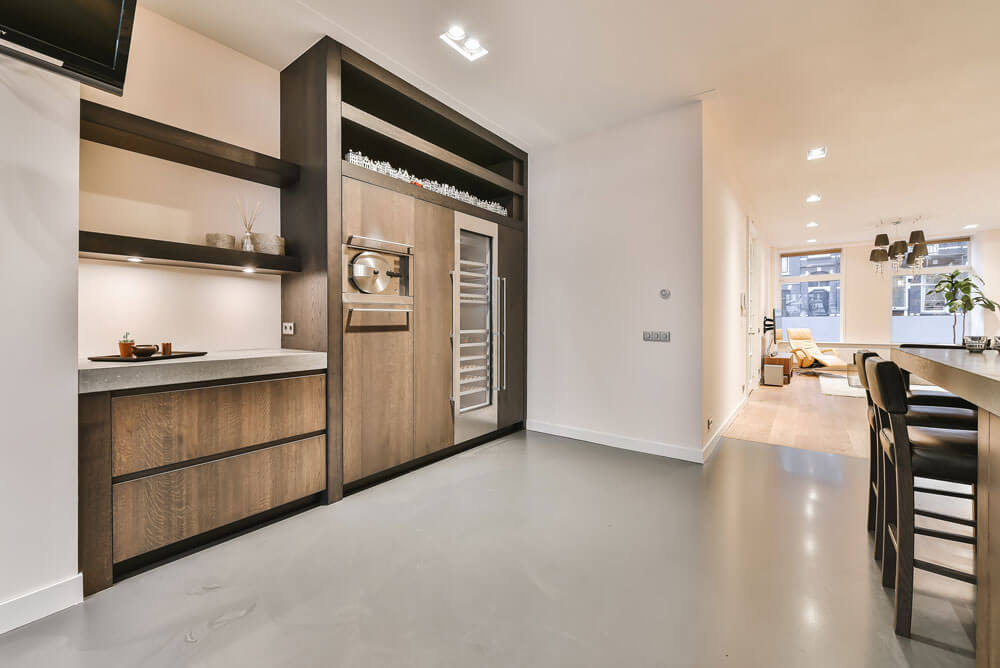
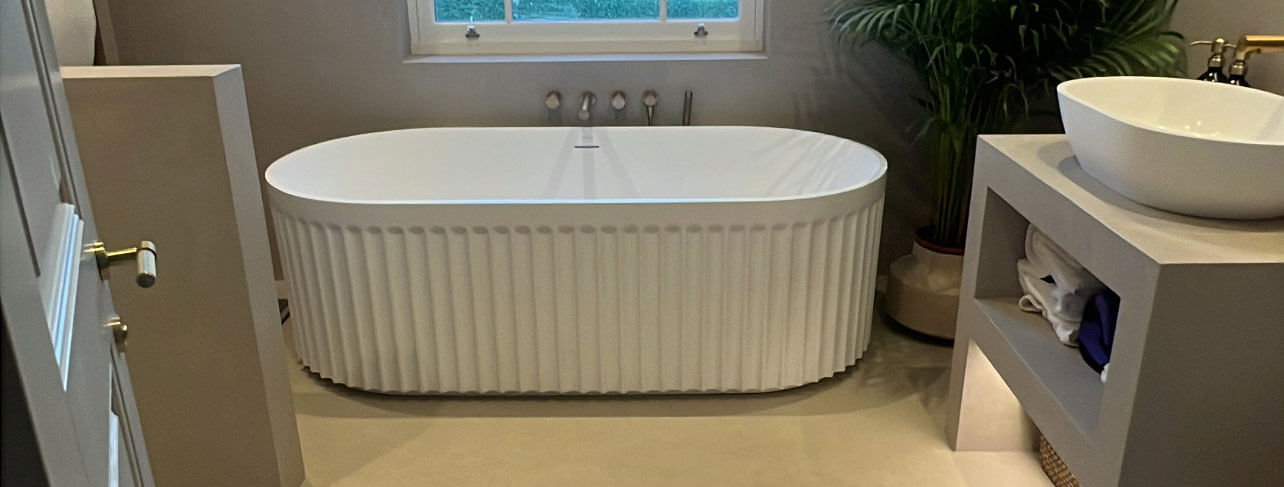
A major decorating trend is the integration of the same finish across multiple surfaces in a space. For example, a bathroom may feature microcement on the floor, walls, vanity unit and even the bath surround. Similarly, in kitchens, microcement can extend from countertops to backsplashes and cabinet fronts.
This unified look streamlines visual clutter and enhances spatial harmony, especially in open-plan homes.
Trend 5: Sustainable and Low-Waste Design
Sustainability is no longer a bonus—it’s expected. Microcement meets eco-conscious demands by reducing the need to remove or dispose of old materials. It can be applied directly over existing tiles, concrete, or plaster, reducing waste and the energy required for demolition.
Plus, its longevity means fewer replacements over time, making it a smart, sustainable design investment.
Final Thoughts
Microcement decorating trends for the Cheltenham area are all about simplicity and personalisation. Whether you’re looking for a sleek modern bathroom or a natural-toned kitchen, microcement delivers on both aesthetics and function. With its ability to adapt to nearly any surface and style, it’s no surprise this material continues to be at the forefront of modern home design.
Ready to upgrade with a microcement surface in your home or commercial building? Get in touch with us at Nuera Microcement, we are happy to explain the installation process and discuss the benefits that our surfaces bring.
Related articles
Type of Space?
What type of space do you need Microcement for?
Residential (Home / Apartment)
Commercial (Business / Property)
At a glance
Microcement is no longer just a niche design material—it has firmly established itself as a go-to solution for modern, seamless interiors. Microcement continues to evolve with design trends that emphasise minimalism, sustainability and texture. Whether you’re building a new home or renovating an existing one, understanding the top microcement trends can help you create stylish spaces in Cheltenham.
Type of Space?
What type of space do you need Microcement for?
Residential (Home / Apartment)
Commercial (Business / Property)
It just takes 60 Sec
And then you can book a free consultation
First Things First – What is Microcement?
Microcement is a decorative , functional surface coating made of cement, resins, additives and mineral pigments. It’s applied in thin layers over almost any surface including floors, walls, countertops and splashbacks, and it delivers a smooth, joint-free finish. The material is durable, waterproof and incredibly versatile, making it ideal for both residential and commercial spaces.
Trend 1: Seamless Interiors
One of the biggest trends is the use of continuous, seamless finishes throughout the home. Microcement fits this perfectly, eliminating visible joints and grout lines. This trend aligns with the ongoing popularity of minimalist and Japandi interior styles, where visual calm and simplicity are central.
From floor-to-ceiling microcement bathrooms to entire living spaces done in a single tone, this trend makes small rooms feel bigger and creates a modern, luxurious ambiance.
Trend 2: Neutral, and Earthy Colour Palettes
While grey remains a popular choice, we are seeing a shift toward warmer neutrals and earthy tones. Think soft beiges, sand, clay and muted terracotta. These colours work beautifully with natural wood, stone and greenery—creating interiors that feel both contemporary and comforting.
Microcement can be tinted in virtually any color, allowing homeowners to customise finishes that align with personal and trending palettes.
Trend 3: Textured Finishes
Flat, matte finishes are being complemented—or even replaced—by hand-troweled textures that add depth and tactile interest. Whether it’s a lightly brushed wall or a more rugged kitchen backsplash, texture is becoming an essential design element.
Designers are experimenting with these textured applications to play with light and shadow, giving character to what might otherwise be plain surfaces.
Trend 4: Full Integration Across Surfaces
A major decorating trend is the integration of the same finish across multiple surfaces in a space. For example, a bathroom may feature microcement on the floor, walls, vanity unit and even the bath surround. Similarly, in kitchens, microcement can extend from countertops to backsplashes and cabinet fronts.
This unified look streamlines visual clutter and enhances spatial harmony, especially in open-plan homes.
Trend 5: Sustainable and Low-Waste Design
Sustainability is no longer a bonus—it’s expected. Microcement meets eco-conscious demands by reducing the need to remove or dispose of old materials. It can be applied directly over existing tiles, concrete, or plaster, reducing waste and the energy required for demolition.
Plus, its longevity means fewer replacements over time, making it a smart, sustainable design investment.
Final Thoughts
Microcement decorating trends for the Cheltenham area are all about simplicity and personalisation. Whether you’re looking for a sleek modern bathroom or a natural-toned kitchen, microcement delivers on both aesthetics and function. With its ability to adapt to nearly any surface and style, it’s no surprise this material continues to be at the forefront of modern home design.
Ready to upgrade with a microcement surface in your home or commercial building? Get in touch with us at Nuera Microcement, we are happy to explain the installation process and discuss the benefits that our surfaces bring.
Related articles
Type of Space?
What type of space do you need Microcement for?
Residential (Home / Apartment)
Commercial (Business / Property)