

Why Microcement Is Perfect for Kitchen Surfaces
When it comes to designing a kitchen that balances beauty and functionality, microcement is increasingly becoming the material of choice. Originally favoured for industrial and commercial settings, it has now found its way into the heart of the modern home. Here’s why microcement is a top performer for kitchen surfaces in 2025 and beyond. 1. Seamless, Stylish Design Kitchens are high-traffic, high-use areas, and they deserve surfaces that are both durable and visually striking. Microcement offers a sleek, seamless finish that’s hard to match. Whether it’s used on countertops, backsplashes or islands, the joint-free…

Why you can trust our content
At a glance
When it comes to designing a kitchen that balances beauty and functionality, microcement is increasingly becoming the material of choice. Originally favoured for industrial and commercial settings, it has now found its way into the heart of the modern home. Here’s why microcement is a top performer for kitchen surfaces in 2025 and beyond.
1. Seamless, Stylish Design
Kitchens are high-traffic, high-use areas, and they deserve surfaces that are both durable and visually striking. Microcement offers a sleek, seamless finish that’s hard to match. Whether it’s used on countertops, backsplashes or islands, the joint-free design creates a contemporary, clean look that elevates any space.
This continuous appearance isn’t just beautiful—it also prevents dirt and grease from accumulating in crevices, making cleaning easier and a more hygienic space.
2. A Material For All Kitchen Elements
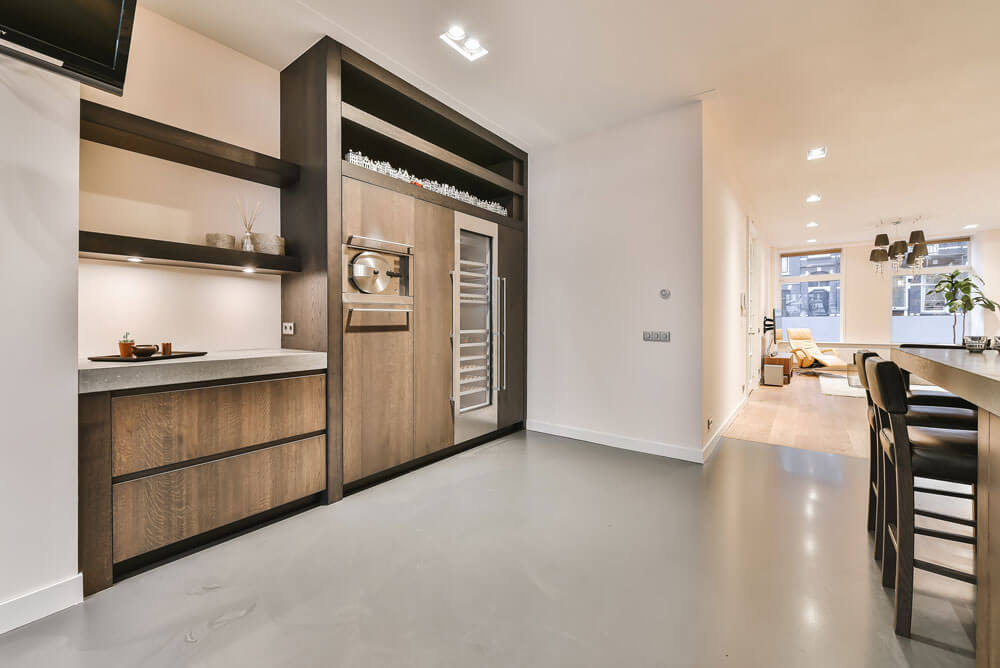
Microcement isn’t limited to countertops. It can be applied to the walls and floors too. This makes it easy to create a consistent material palette, which is especially useful in open-plan layouts where kitchens flow into dining and living areas. Areas become linked and this provides a flow that is comfortable and easy-going.
3. High Durability for Daily Use
Kitchens endure constant use, from knife work and hot pots to spills and splashes. Microcement holds up incredibly well under pressure. When sealed correctly, it’s resistant to scratches, stains, heat and moisture.
Unlike natural stone, which can be porous, microcement offers a non-porous surface that stands up to everyday kitchen challenges.
4. Custom Colour and Finish Options
Whether you’re into Scandinavian minimalism or industrial modern design, microcement can be tinted and textured to fit your aesthetic. From cool greys to earthy browns, the colour possibilities are nearly endless.
You can also choose between different finishes—matte, satin, or slightly glossy—depending on the atmosphere you want to create. Want a kitchen island that looks like polished stone or a wall that mimics plaster? Microcement can do both.
5. Hygienic and Easy to Clean
One of the most appealing features of microcement in kitchens is its hygienic nature. The absence of seams or grout lines means there’s nowhere for mold, mildew or bacteria to hide. This makes it ideal for food prep areas and backsplashes.
Daily maintenance is as simple as wiping down the surface with a damp cloth and a pH-neutral cleaner.
6. Great for Renovations
Because microcement can be applied over existing surfaces, it’s an excellent solution for kitchen renovations. There’s no need to tear out old tiles or counters, which saves time, reduces mess, and minimises waste. It’s a cost-effective way to give your kitchen a brand-new look without the headache of a full remodel.
7. A Modern Alternative to Tile and Stone
While tile and natural stone have long been standard in kitchens, they come with drawbacks like grout maintenance or vulnerability to staining. Microcement offers a similar visual impact with far less upkeep and greater design flexibility.
Whether you’re aiming for an industrial, coastal, or minimalist vibe, microcement delivers both visual impact and performance.
Type of Space?
What type of space do you need Microcement for?
 Residential
 (Home / Apartment)
 Commercial
 (Business / Property)
It just takes 60 Sec
And then you can book a free consultation
In A Nutshell
From its seamless beauty and design flexibility to its strength and hygiene, microcement checks every box for modern kitchen surfaces. As more homeowners and designers prioritise low-maintenance luxury and minimalist aesthetics, microcement is poised to become the default choice for kitchens.
Whether you’re starting fresh or renovating an old kitchen, consider microcement as your material of choice—it’s more than just a trend; it’s a smart, stylish investment. Ask us for more information about installing microcement surfaces in your kitchen. We work across Cheltenham, Worcester, Birmingham and The Cotswolds delivering exceptional microcement finishes.
Related articles
Type of Space?
What type of space do you need Microcement for?
Residential (Home / Apartment)
Commercial (Business / Property)
At a glance
When it comes to designing a kitchen that balances beauty and functionality, microcement is increasingly becoming the material of choice. Originally favoured for industrial and commercial settings, it has now found its way into the heart of the modern home. Here’s why microcement is a top performer for kitchen surfaces in 2025 and beyond.
1. Seamless, Stylish Design
Kitchens are high-traffic, high-use areas, and they deserve surfaces that are both durable and visually striking. Microcement offers a sleek, seamless finish that’s hard to match. Whether it’s used on countertops, backsplashes or islands, the joint-free design creates a contemporary, clean look that elevates any space.
This continuous appearance isn’t just beautiful—it also prevents dirt and grease from accumulating in crevices, making cleaning easier and a more hygienic space.
2. A Material For All Kitchen Elements
Microcement isn’t limited to countertops. It can be applied to the walls and floors too. This makes it easy to create a consistent material palette, which is especially useful in open-plan layouts where kitchens flow into dining and living areas. Areas become linked and this provides a flow that is comfortable and easy-going.
3. High Durability for Daily Use
Kitchens endure constant use, from knife work and hot pots to spills and splashes. Microcement holds up incredibly well under pressure. When sealed correctly, it’s resistant to scratches, stains, heat and moisture.
Unlike natural stone, which can be porous, microcement offers a non-porous surface that stands up to everyday kitchen challenges.
4. Custom Colour and Finish Options
Whether you’re into Scandinavian minimalism or industrial modern design, microcement can be tinted and textured to fit your aesthetic. From cool greys to earthy browns, the colour possibilities are nearly endless.
You can also choose between different finishes—matte, satin, or slightly glossy—depending on the atmosphere you want to create. Want a kitchen island that looks like polished stone or a wall that mimics plaster? Microcement can do both.
5. Hygienic and Easy to Clean
One of the most appealing features of microcement in kitchens is its hygienic nature. The absence of seams or grout lines means there’s nowhere for mold, mildew or bacteria to hide. This makes it ideal for food prep areas and backsplashes.
Daily maintenance is as simple as wiping down the surface with a damp cloth and a pH-neutral cleaner.
6. Great for Renovations
Because microcement can be applied over existing surfaces, it’s an excellent solution for kitchen renovations. There’s no need to tear out old tiles or counters, which saves time, reduces mess, and minimises waste. It’s a cost-effective way to give your kitchen a brand-new look without the headache of a full remodel.
7. A Modern Alternative to Tile and Stone
While tile and natural stone have long been standard in kitchens, they come with drawbacks like grout maintenance or vulnerability to staining. Microcement offers a similar visual impact with far less upkeep and greater design flexibility.
Whether you’re aiming for an industrial, coastal, or minimalist vibe, microcement delivers both visual impact and performance.
Type of Space?
What type of space do you need Microcement for?
Residential (Home / Apartment)
Commercial (Business / Property)
It just takes 60 Sec
And then you can book a free consultation
In A Nutshell
From its seamless beauty and design flexibility to its strength and hygiene, microcement checks every box for modern kitchen surfaces. As more homeowners and designers prioritise low-maintenance luxury and minimalist aesthetics, microcement is poised to become the default choice for kitchens.
Whether you’re starting fresh or renovating an old kitchen, consider microcement as your material of choice—it’s more than just a trend; it’s a smart, stylish investment. Ask us for more information about installing microcement surfaces in your kitchen. We work across Cheltenham, Worcester, Birmingham and The Cotswolds delivering exceptional microcement finishes.
Related articles
Type of Space?
What type of space do you need Microcement for?
Residential (Home / Apartment)
Commercial (Business / Property)